
Product Overview
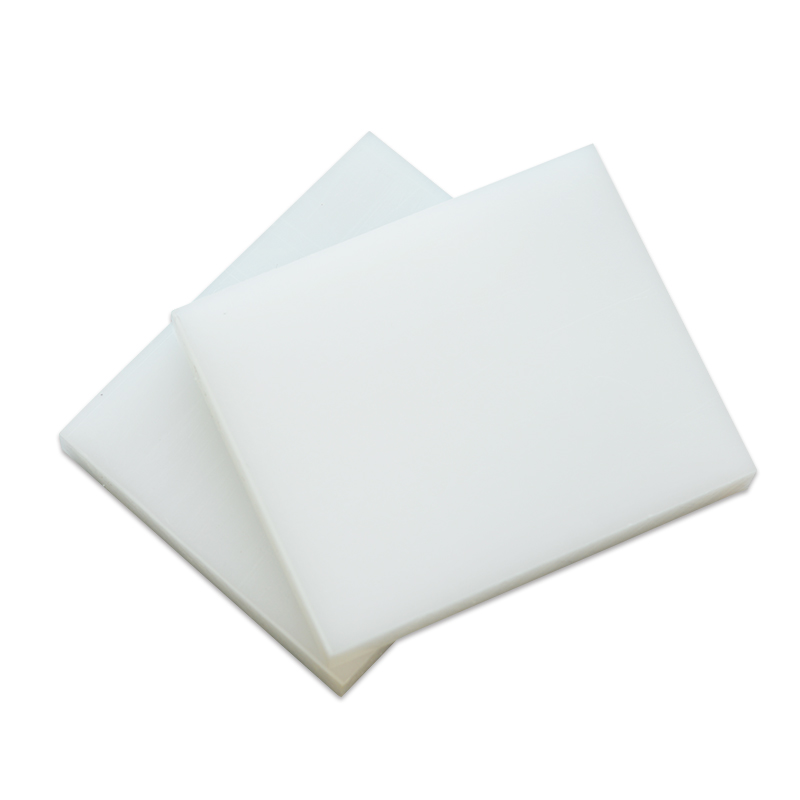
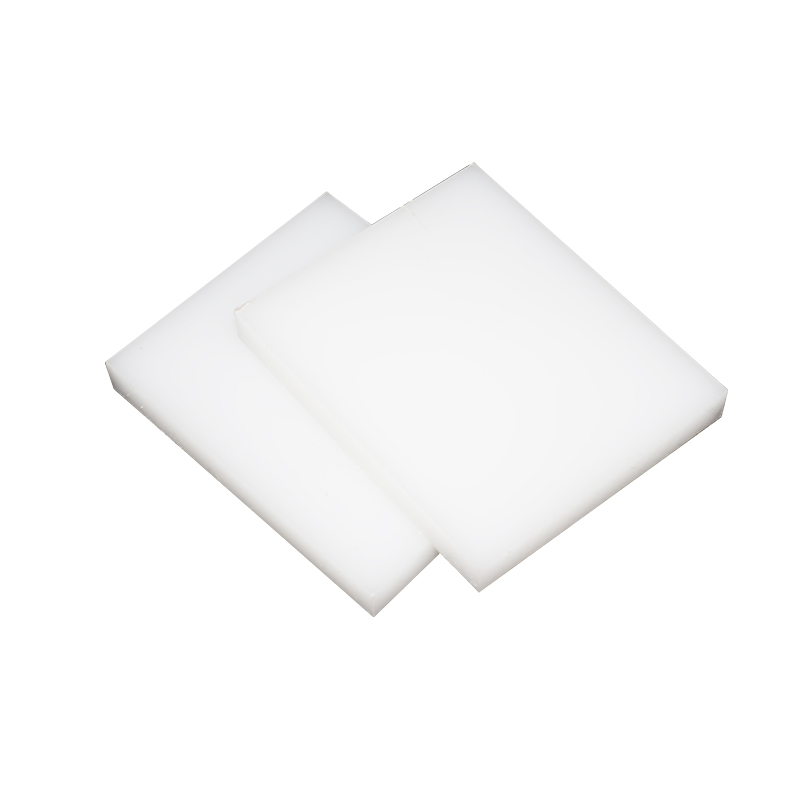
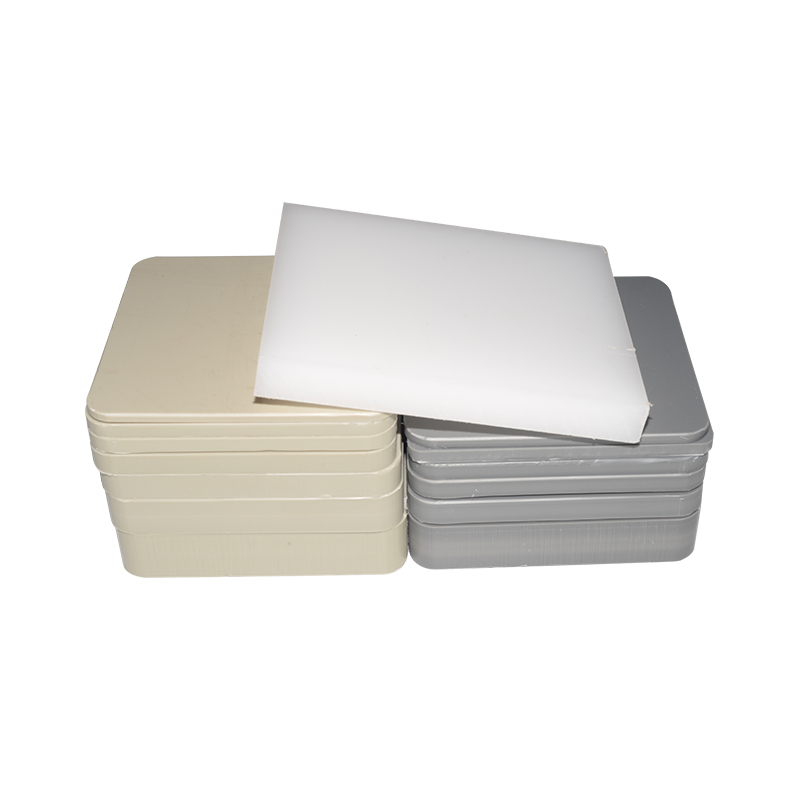
White PP sheet — identical chemical resistance and mechanical properties as standard PP, in a through-body TiO₂-pigmented white that cannot delaminate, wear off, or expose a darker substrate. Extruded from 100% virgin PP homopolymer with titanium dioxide pigment compounded throughout the entire cross-section — not surface-coated, not co-extruded over a darker core. A scratch stays white. A weld bead stays white. A cut edge stays white. Specified for laboratory fume hood interiors, pharmaceutical GMP cleanroom equipment, food processing surfaces, semiconductor wet benches, and any corrosive-environment application where surface visibility for contamination detection and cleaning verification matters. Available in thicknesses 2-30mm, standard sheet sizes 1220×2440mm, 1500×3000mm, and 2000×3000mm. FDA 21 CFR 177.1520 food-grade certification available with documented resin lot traceability.
| Material | 100% Virgin PP Homopolymer with TiO₂ through-body white pigment — no surface coating, no co-extruded layer |
| Thickness range | 2-30 mm. ±0.2 mm (≤10mm), ±0.3 mm (10-20mm), ±0.5 mm (>20mm) |
| Sheet sizes | 1220×2440 mm / 1500×3000 mm / 2000×3000 mm |
| Temperature range | -40°C to 90°C |
| Surface roughness | Ra ≤0.8μm (smooth) — digital profilometer verified. Matte available |
| Food-grade | FDA 21 CFR 177.1520 compliant — dedicated production run with resin traceability |
| Yes — no Cl, Br, F. No acid gas if burned | |
| MOQ | 1 m² standard. Food-grade: dedicated run, MOQ confirmed at quotation |
| Lead time | 15-25 days |
Why White PP Is Not Just “PP With a Different Color”
White PP sheet looks like standard PP with pigment added — but the white color changes how the material is specified, used, and validated in regulated industries. A beige or grey tank wall hides contamination; a white one reveals it. A beige surface scratches to expose identical beige material — no visual difference. A coated white surface scratches to expose a dark substrate — the defect is both visible and a contamination trap. A through-body white surface scratches to expose identical white material — the scratch is white on white, functionally identical to the unscratched surface. This distinction — through-body vs surface-coated — determines whether a facility can pass a GMP cleaning validation audit:
- GMP cleaning verification — visible means verifiable. Pharmaceutical facilities regulated under FDA 21 CFR Part 211 Subpart D (Current Good Manufacturing Practice for Finished Pharmaceuticals) require that equipment surfaces be cleanable and that cleaning procedures be validated. A white surface enables immediate visual detection of chemical residue, particulate contamination, and staining after CIP cycles — a beige or grey surface masks these indicators. The smooth Ra ≤0.8μm finish resists particle adhesion and is compatible with standard pharmaceutical cleaning agents: quaternary ammonium compounds, hydrogen peroxide vapor, peracetic acid, sodium hypochlorite, and alcohol-based sanitizers. For pharmaceutical equipment manufacturers, specifying white PP is not an aesthetic choice — it is a GMP compliance decision.
- Through-body pigmentation — the scratch test. Take a coin and scratch three white plastic surfaces: (1) A painted white PP sheet — the white paint scrapes off, revealing beige or grey PP underneath. The scratch is now a contamination trap with exposed substrate. (2) A co-extruded white PP sheet with a 0.2mm white surface layer over a darker core — a deep scratch or weld preparation bevel exposes the dark core. The fabricator must be careful not to cut too deep. (3) A through-body white PP sheet — the scratch is white. The weld preparation bevel is white. The cut edge is white. The machined hole is white. There is no coating to fail because there is no coating — the TiO₂ pigment is distributed uniformly through the entire 2-30mm cross-section. Xicheng white PP sheet is type (3). This is the same through-body pigmentation approach used in pharmaceutical-grade PP fittings and valves worldwide.
- Light reflection inside enclosed spaces. A laboratory fume hood interior is a dark box — a beige or grey lining absorbs ambient light, making it harder for the operator to see chemical containers, spills, and residue. White PP reflects light inside the hood, improving visibility without adding luminaires to a potentially explosive atmosphere. This visibility difference has direct safety implications when handling hazardous chemicals in enclosed hood spaces. For fume hood manufacturers, white PP is the standard interior lining material for this reason alone — independent of any GMP or food-grade requirement.
For general industrial applications where color and surface visibility are not critical, standard beige/grey PP sheet offers identical chemical resistance and mechanical properties at the same price.
Why Xicheng
16 years, 2600+ systems shipped worldwide. White PP sheet for regulated industries (pharma, food, semiconductor) carries documentation requirements that industrial PP does not. The material is the same — the paperwork is different:
- FDA food-grade with lot traceability — not just a certificate, a production record. Virgin PP is inherently FDA 21 CFR 177.1520 compliant for food contact. But “compliant” and “certified” are different things. A certified food-grade order is produced on a dedicated extrusion run with documented resin lot traceability from incoming resin receipt to finished sheet shipment. The certificate of compliance references specific resin lot numbers, production dates, and QC test results — not a generic statement that “PP is FDA compliant.” This is the documentation standard required by food industry auditors.
- TiO₂ dispersion verified — no streaks, no color variation. White pigment that is poorly dispersed in the PP melt produces visible streaks, color bands, and inconsistent whiteness across a sheet — cosmetic defects that also indicate inconsistent pigment concentration, which can affect lot-to-lot cleaning validation. Our TiO₂ masterbatch is compounded with measured dispersion quality before extrusion, and color consistency is verified via spectrophotometer at production intervals. Delta-E color difference measurement ensures batch-to-batch consistency — a sheet ordered today matches a sheet ordered six months ago.
- Dedicated food-grade production scheduling. Food-grade orders are scheduled as dedicated production runs — the extrusion line is purged of non-food-grade material before the run, the production environment is documented, and the entire batch is produced without interruption from non-certified material. This is not necessary for the material properties — it is necessary for the audit trail. Contact xicheng023@outlook.com with your certification requirements.
Send your white PP sheet specifications to xicheng023@outlook.com. Quotation with lot traceability documentation plan within 24 hours. WhatsApp: +86 18927456906.
Core Advantages
- Through-Body White — Scratches, Welds, and Cut Edges Stay White: TiO₂ pigment throughout the full 2-30mm cross-section. No coating to fail, no dark substrate to expose.
- GMP-Ready Surface — Visual Cleaning Verification: Ra ≤0.8μm finish, compatible with pharma CIP detergents and sanitizers. Contamination immediately visible against white background per FDA 21 CFR Part 211 expectations.
- FDA Food-Grade with Resin Lot Traceability: 21 CFR 177.1520 certified. Dedicated production run with documented traceability from resin receipt to shipment.
- , No Acid Gas if Burned: PP contains no chlorine, bromine, or fluorine. Safe for occupied lab and cleanroom environments — no HCl or dioxin smoke hazard.
- Chemical Resistance Identical to Standard PP: TiO₂ pigment is chemically inert. Full PP acid/alkali/solvent resistance spectrum maintained — verified for HCl, H₂SO₄, HNO₃, HF, NaOH, and standard lab chemicals.
Key Specifications
Mechanical & Physical Properties
| Material | 100% Virgin PP Homopolymer, TiO₂ White Pigment — through-body |
| Density | 0.91-0.93 g/cm³ (ISO 1183) |
| Tensile Strength | 28-32 MPa (ISO 527) |
| Flexural Strength | 35-40 MPa (ISO 178) |
| Impact Strength (Notched Izod, 23°C) | 3-5 KJ/m² (ISO 180) |
| Heat Deflection Temperature (0.45 MPa) | 90-100°C (ISO 75) |
| Working Temperature Range | -40°C to 90°C |
| Water Absorption (24h) | < 0.01% (ISO 62) |
| Surface Roughness | Ra ≤0.8μm (Smooth) — digital profilometer verified per batch |
| Food-Grade Compliance | FDA 21 CFR 177.1520 — available on request with documented resin traceability |
| Flammability | HB (UL 94). — no acid gas on combustion |
Color & Appearance
| Color | White (through-body TiO₂ pigmentation). Beige, Grey available at same price |
| Color Consistency | Delta-E measurement per batch for lot-to-lot consistency |
| Scratch Behavior | Scratches, welds, and cut edges remain white — no substrate color exposure |
| Gloss Level | Semi-gloss (standard). Matte available on request |
| UV Behavior | Standard white PP yellows slightly with prolonged UV. UV-stabilized grade for outdoor use |
White PP vs White PVC
| Property | White PP Sheet | White PVC Sheet |
|---|---|---|
| Chemical Resistance | Excellent — broad-spectrum, includes HF | Good — limited with oxidizing acids |
| Max Service Temperature | 90°C | 60°C |
| Yes — no HCl if burned | No — chlorine-based, HCl smoke | |
| FDA Food-Grade | Available | Not typically available |
| Weight (5mm, 1220×2440) | 13.4 kg | 20.5 kg |
| Cost | Mid-range | Lower |
Certifications and Compliance
- CE Certified — White PP Sheet (3 certificates)
- RoHS Compliant — PP homopolymer + TiO₂ pigment
- ISO 9001:2015 — Quality Management System
- ISO 14001:2015 — Environmental Management System
- SGS Tested — Mechanical properties, surface roughness, color consistency
- FDA 21 CFR 177.1520 — Food contact compliance (with resin lot traceability)
How to Order
- You send — Thickness, dimensions, quantity, and whether food-grade certification with lot traceability is required
- We confirm — Technical feasibility, production schedule (dedicated run for food-grade), pricing, lead time
- We produce — Through-body white PP extrusion with TiO₂ dispersion verification, 5-point QC per sheet, spectrophotometer color check
- We ship — Wood pallet with moisture barrier. Full documentation package (CE, RoHS, ISO 9001, FDA if applicable)
Contact xicheng023@outlook.com or WhatsApp +86 18927456906 — quotation within 24 hours.
Complete Your System
- PP Polypropylene Sheet — Beige/grey PP for general industrial fabrication
- PVC Rigid Plastic Sheet — Lower-cost alternative for non-critical indoor use
- PP Laboratory Fume Hood — Fume hoods fabricated from white PP sheet
- PP Acid Pickling Tank — Chemical tanks fabricated from PP sheet
- PP Industrial Pipe — PP pipe for sheet-fabricated system connections
FAQ
Does white PP sheet cost more than beige or grey?
No. White, beige, and grey are all standard colors at the same price per square meter. Only custom colors (blue, green, black) carry a premium and MOQ (500 kg per color).
Will white PP sheet turn yellow over time?
Standard PP without UV stabilizers may yellow slightly with prolonged direct sunlight exposure due to UV-induced polymer degradation. In indoor laboratory, cleanroom, and food processing environments, white PP shows no significant color change over its service life. For outdoor or UV-exposed applications, specify UV-stabilized white PP.
Can white PP sheet be used for direct food contact?
Yes. Virgin PP is FDA 21 CFR 177.1520 compliant for food contact. Request food-grade certification with documented resin lot traceability at the time of inquiry. A dedicated production run is scheduled with full lot traceability documentation included in the shipment.
Does the white pigment affect chemical resistance or weldability?
No. TiO₂ is chemically inert and does not affect PP’s acid or alkali resistance. Welding with standard PP welding rod (white color-matched) produces joints with parent-material strength and identical chemical resistance. The white color at the weld bead matches the sheet.
Why through-body white instead of white-coated PP?
White-coated PP (paint or co-extruded surface layer over darker core) fails when scratched — exposing the dark substrate, creating a contamination trap, and producing a visible defect that fails GMP cleaning validation. Through-body TiO₂ pigmentation means a scratch exposes identical white material — the scratch is functionally indistinguishable from the surrounding surface. For regulated industries, this distinction matters.