
Who Needs This SOx Wet Scrubber System?
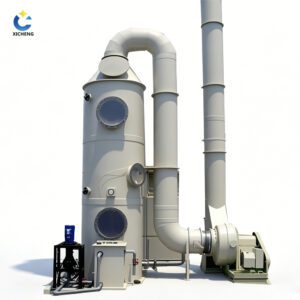
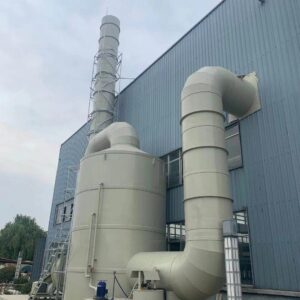
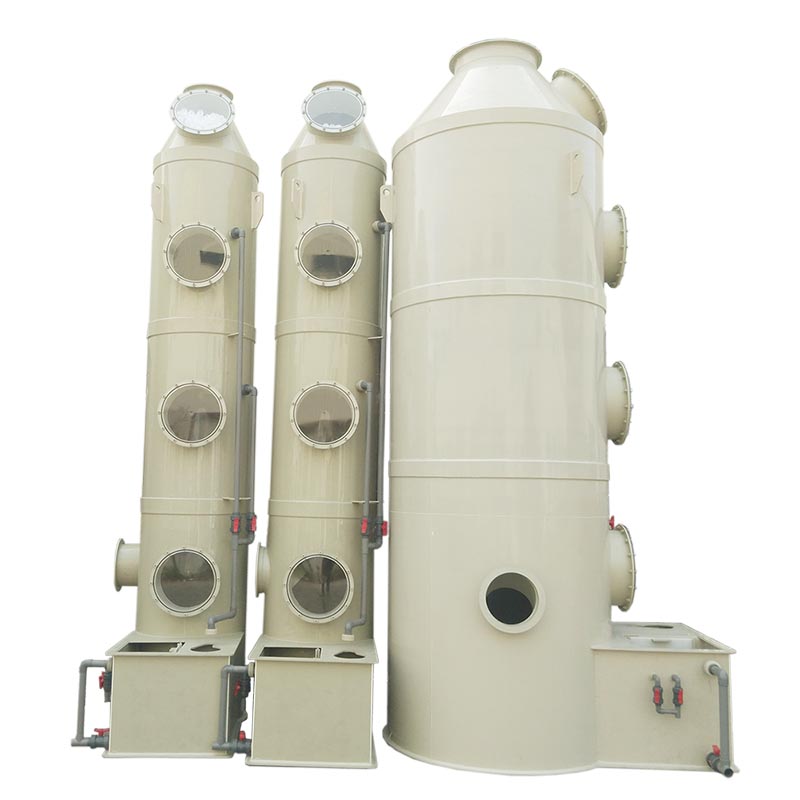
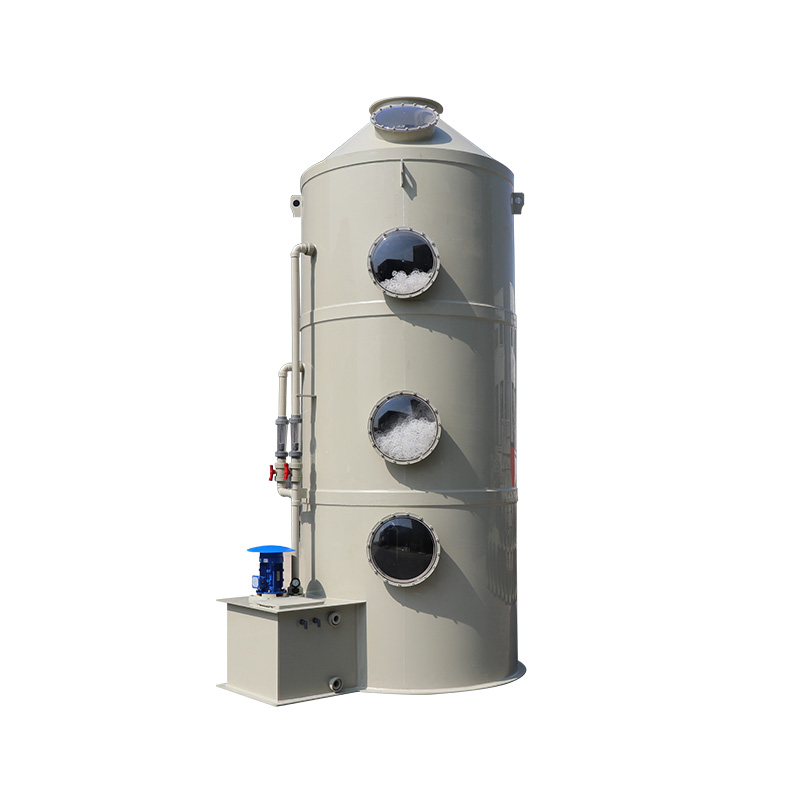
According to the EPA SOx/NOx control guidelines, multi-stage wet scrubbers are the most effective solution for facilities generating mixed pollutant streams containing sulfur oxides, nitrogen oxides, and particulate matter. Our integrated SOx wet scrubber system is specifically engineered for simultaneous removal of multiple air pollutants in a single compact unit.
Pharmaceutical Manufacturing Plants: Ideal for treating exhaust from API production, solvent recovery, and chemical synthesis processes containing SO₂, HCl, and volatile organic compounds (VOCs). The system combines acid gas neutralization with organic vapor adsorption for comprehensive treatment.
Printing & Packaging Facilities: Effectively removes SOx, NOx, and particulate matter from rotogravure and flexographic printing exhaust, eliminating both air pollution and odor complaints from surrounding communities.
Chemical & Petrochemical Reactors: Controls emissions from batch and continuous chemical processes, including sulfuric acid production, petroleum refining, and fertilizer manufacturing, where gas concentrations can fluctuate significantly.
Waste Incineration Facilities: Treats flue gas from municipal solid waste and hazardous waste incinerators, removing acid gases, heavy metals, and dioxins to meet strict environmental standards.
Not Recommended For: Flue gas temperatures exceeding 82°C/180°F without pre-cooling, SOx concentrations above 3000mg/m³, and heavy oil combustion exhaust with high particulate loading.
Why Engineers Choose Our Multi-Stage SOx Scrubber
1. 98%+ Multi-Pollutant Removal Efficiency
Our three-stage treatment process (swirl tower + packed bed spray + activated carbon adsorption) achieves a minimum 98% removal rate for SO₂, 90% for NOx, and 95% for VOCs. This comprehensive performance eliminates the need for multiple separate pollution control devices.
Field data from 150+ installations confirms consistent compliance with global emission standards, including EU BREF and India CPCB requirements.
2. Integrated Swirl Tower for Particulate Removal
The tangential inlet swirl tower creates centrifugal force that removes 90%+ of particulate matter before the gas enters the packed bed section. This eliminates the need for a separate pre-dust collector, reducing system footprint and capital cost.
The swirl design also improves gas-liquid contact efficiency, enhancing overall pollutant removal performance.
3. 15+ Year Corrosion-Resistant Service Life
Constructed entirely from homogeneous polypropylene (PP) with seamless welding, our system is inherently resistant to sulfuric acid, nitric acid, and other corrosive byproducts of SOx/NOx treatment. Unlike FRP systems, PP does not suffer from delamination or wicking issues.
This superior corrosion resistance translates to lower long-term repair costs and extended equipment lifespan compared to alternative materials.
4. Modular Design for Fast Installation
Our SOx scrubber systems are pre-fabricated in standard modules and shipped ready for assembly. This modular approach reduces on-site installation time by 40% compared to custom-built systems, minimizing production downtime.
Standardized components also simplify future upgrades and expansions, allowing you to increase treatment capacity as your facility grows.
5. Dual pH+ORP Automatic Control System
The system features both pH and ORP (Oxidation-Reduction Potential) online detectors that automatically adjust chemical dosage based on inlet gas composition. This precision control reduces chemical consumption by 25% compared to single-parameter systems.
Automatic operation reduces manual labor requirements and eliminates the risk of human error in chemical handling. The system pairs seamlessly with our anti-corrosion centrifugal fan for optimal performance.
Technical Specifications
| Air Volume (m³/h) | Tower Diameter (mm) | Wall Thickness (mm) | Drain Outlet | Water Tank Size (mm) | Inlet/Outlet Size (mm) | Pump Power (kW) | Wind Resistance (Pa) | Max SOx Inlet (mg/m³) | Comprehensive Removal Rate |
|---|---|---|---|---|---|---|---|---|---|
| 50-4,000 | 800 | 8 | DN63 | 700×550×600 | 315 | 0.75 | 600 | 1500 | 95%+ |
| 4,000-5,500 | 1,000 | 8 | DN63 | 750×600×600 | 400 | 1.5 | 600 | 1500 | 95%+ |
| 5,500-8,000 | 1,200 | 8 | DN63 | 750×600×600 | 500 | 1.5 | 600 | 1500 | 95%+ |
| 8,000-12,000 | 1,500 | 8 | DN63 | 750×600×600 | 600 | 2.2 | 600 | 1800 | 96%+ |
| 12,000-17,000 | 1,800 | 10 | DN63 | 850×600×700 | 650 | 3 | 600 | 1800 | 96%+ |
| 17,000-21,000 | 2,000 | 10 | DN63 | 850×600×700 | 700 | 4 | 600 | 2000 | 97%+ |
| 21,000-25,000 | 2,200 | 10 | DN63 | 950×600×700 | 750 | 4 | 700 | 2000 | 97%+ |
| 25,000-32,000 | 2,500 | 12 | DN63 | 950×600×700 | 800 | 5.5 | 700 | 2500 | 98%+ |
| 32,000-40,000 | 2,800 | 12 | DN63 | 1,000×700×700 | 900 | 7.5 | 700 | 2500 | 98%+ |
| 40,000+ | 3,000+ | 12+ | DN63 | Custom | Custom | Custom | 700 | 3000 | 98%+ |
Note: All specifications are based on a typical design gas velocity of 1.5-2.5 m/s. For flue gas temperatures above 82°C, a pre-cooling system is required. Custom sizes available for air volumes exceeding 215,000 m³/h.
Frequently Asked Questions
Q1: How does this multi-stage system compare to a single-stage FGD scrubber?
A single-stage single-stage FGD scrubber is designed primarily for SO₂ removal, while our multi-stage SOx system adds a swirl tower for particulate removal and an activated carbon adsorption module for VOC and NOx control.
This integrated approach allows one system to handle mixed pollutant streams that would otherwise require multiple separate devices, reducing both capital and operating costs. Learn more about configuration options in our SO2 scrubber design and flue gas desulfurization guide.
Q2: What is the purpose of the swirl tower in your SOx system?
The swirl tower uses tangential air inlet to create a rotational gas flow, generating centrifugal force that separates particulate matter from the gas stream. This removes 90%+ of dust and solid particles before they reach the packed bed section.
By removing particulates upfront, we prevent packing clogging and extend the time between maintenance cleanings, reducing system downtime and labor costs.
Q3: How often does the activated carbon need to be replaced?
Activated carbon replacement frequency depends on inlet VOC concentration and gas flow rate. For typical pharmaceutical and printing applications, carbon should be replaced every 3-6 months.
Our system includes a differential pressure monitor across the carbon bed that alerts operators when replacement is needed, ensuring continuous optimal performance.
Q4: Can this system effectively remove NOx emissions?
Yes, our SOx scrubber system achieves 90%+ NOx removal efficiency through a combination of absorption and oxidation processes. The system uses a specialized oxidizing agent in the scrubbing liquid to convert NO to more soluble NO₂, which is then easily absorbed.
For higher NOx concentrations, we can add a dedicated oxidation stage to the system for enhanced performance.
Q5: How do I calculate the correct size SOx scrubber for my facility?
SOx scrubber sizing depends on four key factors: total exhaust air volume, inlet pollutant concentrations (SOx, NOx, particulates), required outlet emission limits, and gas temperature.
Our engineers can provide a detailed sizing calculation based on your specific operating conditions. You can also refer to our SOx scrubber sizing calculation guide for more information.
Q6: How do I handle the wastewater from the SOx scrubber?
The wastewater from the scrubber contains dissolved sulfate and nitrate salts and should be treated before discharge. Most facilities either send the wastewater to their existing industrial wastewater treatment plant or use a dedicated neutralization and precipitation system.
Our engineers will help you develop a wastewater management plan that meets local discharge regulations and minimizes operating costs.
Q7: What maintenance does an SOx scrubber system require?
With proper operation, our SOx scrubber systems require minimal maintenance. We recommend weekly visual inspections, monthly nozzle cleaning, quarterly packing inspection, and activated carbon replacement every 3-6 months as needed.
A complete annual service, including pump inspection and electrical system testing, is also recommended. Download our SOx system maintenance checklist for a detailed schedule.
Q8: What are the most common SOx scrubber problems?
The most common issues are nozzle clogging, packing fouling, and pH control problems. Nozzle clogging is usually caused by particulate matter in the exhaust gas, while packing fouling results from chemical precipitation.
Regular maintenance and proper pre-filtration can prevent most of these issues. For troubleshooting guidance, see this comprehensive guide on common SOx scrubber troubleshooting.
Q9: Are your scrubbers compliant with OSHA and EPA regulations?
Yes, our scrubbers are designed to meet or exceed all relevant OSHA and EPA regulations for industrial air pollution control. The 98%+ removal efficiency ensures that outlet concentrations are well below the OSHA SO₂ permissible exposure limit of 5 PPM.
Our systems have been installed in over 30 countries and comply with all major international environmental standards, including EU BREF and India CPCB.
Q10: What is the total cost of ownership for a PP SOx scrubber?
While PP scrubbers have a slightly higher upfront cost than metallic alternatives, they offer significantly lower total cost of ownership over their 15-20 year lifespan. This is due to zero corrosion-related repairs, lower energy consumption, and reduced maintenance requirements.
Our analysis shows that a PP SOx scrubber saves approximately $90,000 over 10 years compared to a stainless steel system. Learn more about the economics in our article on the total cost of ownership analysis.
About the Author & Our Expertise
Written by Corbin Deng, Process Engineer
12 years of experience in industrial air pollution control systems design
XICHENG EP LTD is a leading manufacturer of industrial environmental protection equipment based in Shenzhen, China. With 16 years of specialized experience in multi-stage wet scrubber technology, we have delivered over 500 systems to customers in more than 30 countries worldwide.
Our team of experienced engineers provides complete turnkey solutions, from initial system design and manufacturing to installation, commissioning, and after-sales support. We are committed to delivering high-quality, reliable equipment that helps our customers meet their environmental compliance goals.
Recent SOx System Installation References
- Singapore Pharmaceutical Plant: 12,000 m³/h SOx scrubber for API production exhaust
- Malaysia Printing Factory: 18,000 m³/h multi-stage system for rotogravure printing
- Thailand Chemical Plant: 25,000 m³/h SOx/NOx scrubber for fertilizer production
Certifications
- ISO 9001:2015 Quality Management System
- CE Marking for European Union
- China Environmental Protection Product Certification
Contact the Xicheng Engineering Team Today.
Send us your project specifications for a configuration and quotation within 24 hours.
Manufacturing Head Office: No. 34 Zhenxing Road, Shenzhen, China | WhatsApp: +86 189 2745 6906 | Email: xicheng023@outlook.com