
HVAC Duct: Where Comfort Meets Engineering
Industrial ventilation duct moves contaminated air from a process to a treatment system — nobody cares about noise, condensation, or thermal loss as long as the exhaust is captured. HVAC duct is different. It moves conditioned air that people breathe in occupied spaces. Noise matters. Condensation matters. Heat loss through the duct wall matters. The duct material affects all three — and the choice between metal, fiberglass, and plastic duct for HVAC applications is not as straightforward as the industrial case.
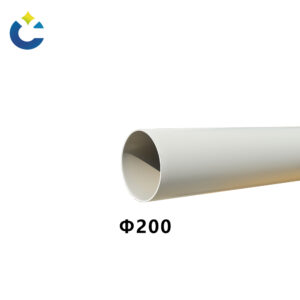
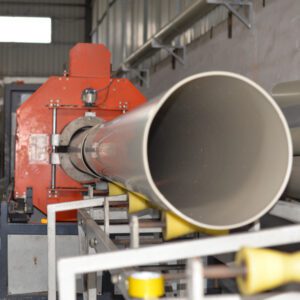
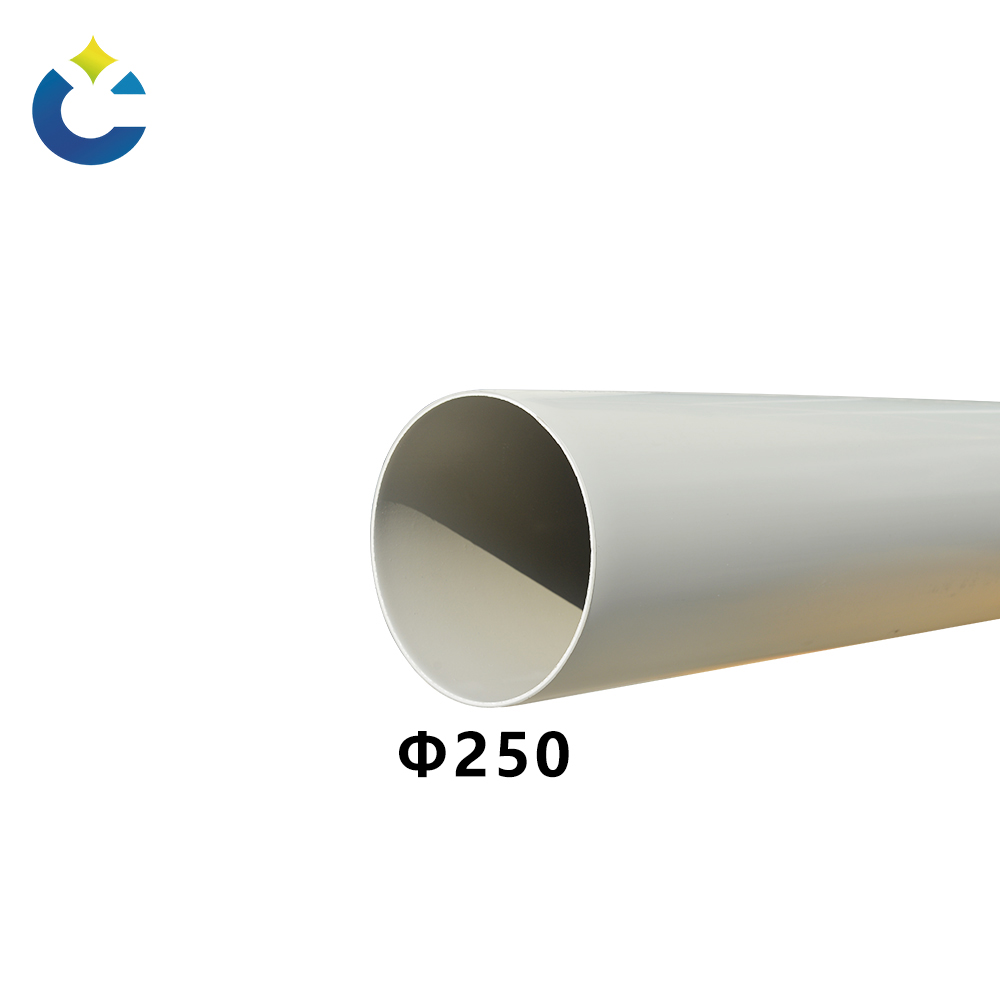
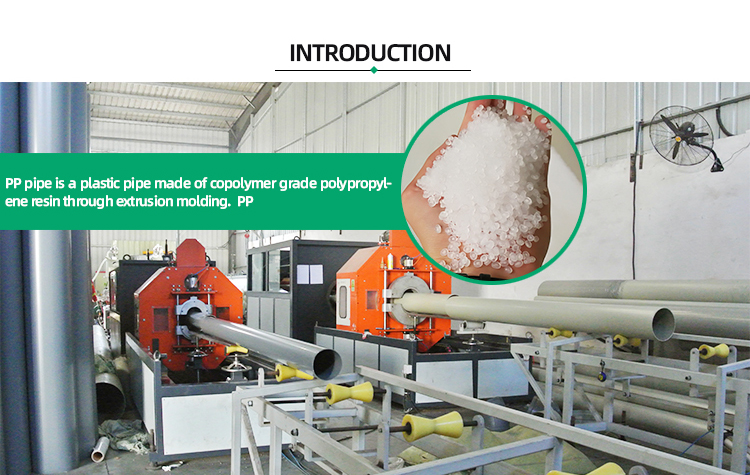
PP and PVC round duct offer specific advantages for HVAC applications where metal duct struggles: corrosion resistance in humid or coastal environments, condensation control due to lower thermal conductivity, and noise reduction through inherent sound dampening. For full material specifications, see our PP Round Duct main product page.
Condensation: The Hidden HVAC Problem
Cold air supply duct in a warm, humid ceiling plenum creates condensation on the duct exterior — water droplets that drip onto ceiling tiles, drywall, or equipment below. Metal duct is particularly vulnerable because its high thermal conductivity (50 W/m·K for steel) rapidly transfers the cold air temperature to the outer surface. PP has thermal conductivity of 0.22 W/m·K — roughly 1/200th of steel — which means the outer duct surface stays closer to the plenum temperature and further from the dew point:
- Reduced condensation without external insulation. PP’s low thermal conductivity acts as built-in insulation. At typical HVAC temperature differentials (12degC supply air in a 25degC plenum, delta T = 13degC), a PP duct wall of 3-5 mm thickness keeps the outer surface temperature above the dew point in most conditions — eliminating or reducing the need for external duct wrap. Metal duct at the same conditions condenses freely without insulation.
- When insulation is still needed. For high-humidity environments (above 80% RH), very cold supply air (below 10degC), or outdoor duct runs, external insulation is recommended regardless of duct material. PP duct with external closed-cell insulation provides both thermal performance and corrosion-free duct body — the insulation protects against condensation, the PP protects against corrosion if the insulation ever gets wet.
- No corrosion under wet insulation. Insulated metal duct has a fundamental vulnerability: if the vapor barrier on the insulation fails (and it eventually does), moisture reaches the metal surface and corrosion begins — hidden under the insulation, undetected until the duct fails. PP duct under the same wet insulation condition doesn’t corrode. The insulation may need replacement, but the duct body is undamaged.
Noise and Vibration in HVAC Systems
HVAC noise complaints are among the most common post-occupancy issues in commercial buildings. The duct system transmits fan noise, airflow turbulence, and mechanical vibration from the equipment room to occupied spaces:
- PP duct dampens sound naturally. The polymer structure of PP absorbs vibrational energy rather than transmitting it — unlike metal duct which acts as a sound conduit. In comparable installations, PP duct systems measure 3-5 dB(A) lower transmitted noise than metal duct of equivalent diameter and airflow. This can eliminate the need for duct silencers on shorter runs.
- No oil-canning or popping. Metal duct expands and contracts with temperature changes, producing audible popping sounds as the sheet metal flexes. PP duct’s lower modulus and higher thermal expansion are accommodated by expansion joints — and the material itself doesn’t produce the sudden-release popping that makes metal duct systems audible in quiet spaces.
Where Plastic HVAC Duct Makes Sense
| Application | Recommended | Why |
|---|---|---|
| Coastal / high-humidity HVAC | PP or PVC | Metal corrodes rapidly in salt-laden air. PP is immune. |
| Indoor pool ventilation | PP | Chlorine-laden humid air attacks steel and aluminum duct within 2-3 years. PP is resistant to both chlorine and moisture. |
| Laboratory HVAC (non-fume hood) | PP | General lab air supply and return in buildings where chemical exposure is possible but not continuous. |
| Pharmaceutical cleanroom HVAC | PP | Smooth, non-porous internal surface resists microbial growth. No corrosion particles contaminating HEPA-filtered air. |
| Underground / buried duct | PP | Soil-side corrosion immunity. No cathodic protection required. |
| Standard commercial HVAC | Galvanized steel | Lowest installed cost where corrosion is not a concern. Plastic is over-spec for dry, indoor, non-corrosive environments. |
| High-temperature supply air (above 80degC) | FR-PP or steel | PP max is 80degC. PVC max is 60degC. |
Fresh Air Intake and Make-Up Air
Every exhaust system requires make-up air — the building must replace the air being exhausted, or it goes negative, doors become hard to open, and exhaust systems lose effectiveness. Fresh air intake duct brings outside air into the building, typically through a filter bank and into the HVAC system or directly to the production floor:
- Weather-resistant construction. Fresh air intakes are exposed to rain, humidity, temperature extremes, and — in industrial areas — airborne contaminants. PP duct with UV stabilizer handles outdoor exposure without rusting, without coating deterioration, and without the maintenance that metal intake duct requires.
- Bird and insect screens. Intake openings require screening. PP duct with integrally flanged screen frames provides corrosion-free intake protection without the galvanic corrosion that occurs when aluminum screens are mounted on steel duct flanges.
For US DOE laboratory energy efficiency guidelines, reducing HVAC energy consumption starts with efficient duct design. Round duct with lower pressure drop — combined with demand-controlled ventilation — reduces both fan energy and the cooling/heating load on the air handling unit.
Send your HVAC duct requirements to xicheng023@outlook.com. We’ll specify material, diameter, and provide a complete quotation. WhatsApp: +86 18927456906.