PP Scrubbing & Ventilation Source

10+ Years · 100+ Countries · Proven

Custom-Built to Your Specs

Tell Us Your Project — Get Expert Help

Laboratory Fume Hood Scrubber | Lab Exhaust Gas Purification System

Laboratory Fume Hood Scrubber | Lab Exhaust Gas Purification System

$1,299.00

Laboratory fume hood scrubber for lab exhaust gas purification. PP packed bed absorption + optional activated carbon polishing. 95%+ acid gas removal. 50-40,000+ m3/h. CE, ISO 9001, ISO 14001 certified.

Description

Product Overview

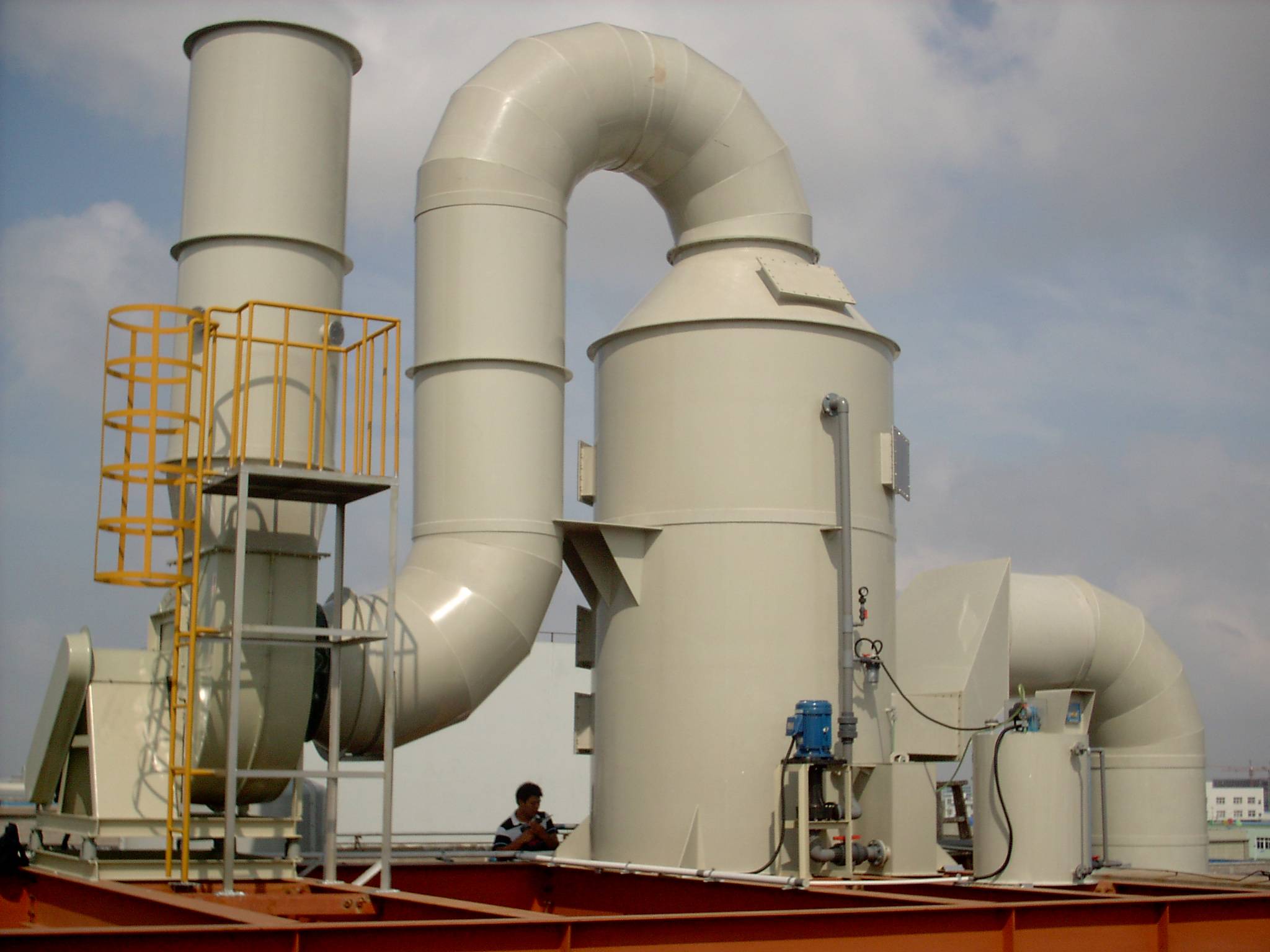
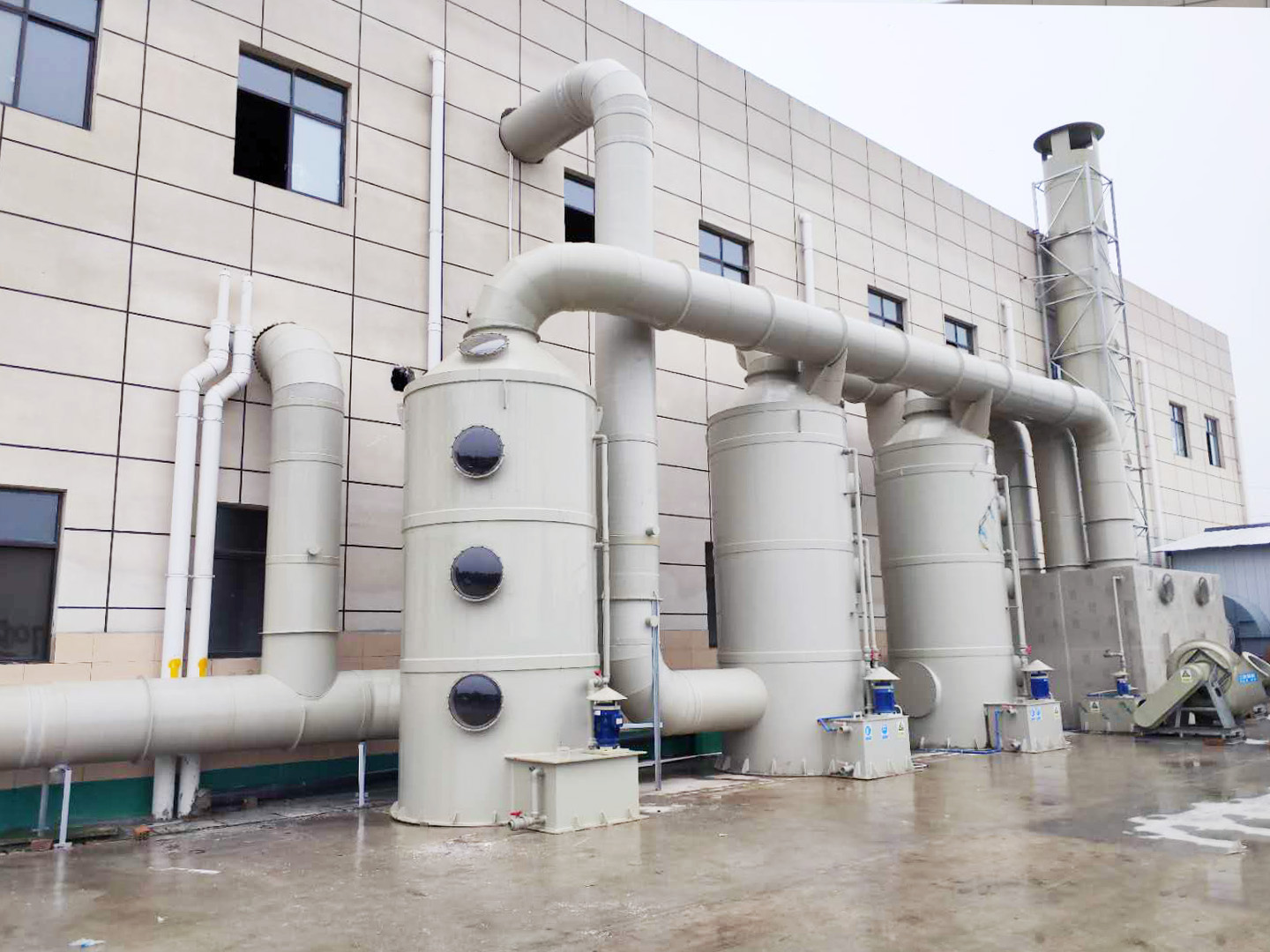
Laboratory exhaust gas purification system designed specifically for fume hood exhaust treatment — combining PP packed-bed scrubbing with optional downstream activated carbon filtration to handle the full spectrum of laboratory air emissions. The scrubber stage removes water-soluble acid gases (HCl, HNO3, H2SO4, HF, NH3) through chemical absorption with NaOH or H2SO4 reagent. The optional carbon stage polishes residual VOCs, solvent vapors, and odorous compounds through physical adsorption. Modular design allows configuration from a simple single-stage scrubber to a complete multi-stage treatment train matching your laboratory’s specific chemical usage and emission permit requirements.

Application Laboratory fume hood exhaust treatment: acid mist, solvent vapors, VOCs, odorous compounds from chemical, pharmaceutical, and research labs
Material Virgin PP body (standard); FRP (solvent-heavy exhaust); SS316L internals (high-temperature or oxidizing environments)
Packing media PP Pall rings or hollow spheres — high specific surface area for gas-liquid mass transfer
Efficiency 95%+ acid gas removal (scrubber stage); 90%-95% VOC removal (carbon stage)
Air volume 50 – 40,000+ m3/h single unit; multi-unit parallel for larger lab facilities
Lead time 15-25 days
Warranty 12 months structure; packing and carbon media per maintenance schedule

How Laboratory Exhaust Purification Works

Laboratory fume hood exhaust differs from general industrial exhaust in several ways: pollutant composition varies widely depending on what experiments are running, concentrations fluctuate throughout the day, and the exhaust often contains a mixture of acid gases, solvent vapors, and particulate matter from a single hood or manifold of hoods. A well-designed purification system handles this variability:

  • Stage 1 — Packed bed scrubbing. Exhaust gas enters from the lower section of the vertical tower and flows upward through the packing layer. Circulating spray solution (NaOH for acid gases, H2SO4 for alkaline gases) is distributed over the packing via spray nozzles. The large specific surface area of the packing media — PP Pall rings or hollow spheres — maximizes gas-liquid contact area for efficient mass transfer. The acid-base neutralization reaction converts gaseous pollutants into dissolved salts that collect in the recirculation tank. A demister layer at the top removes entrained water droplets before the gas exits.
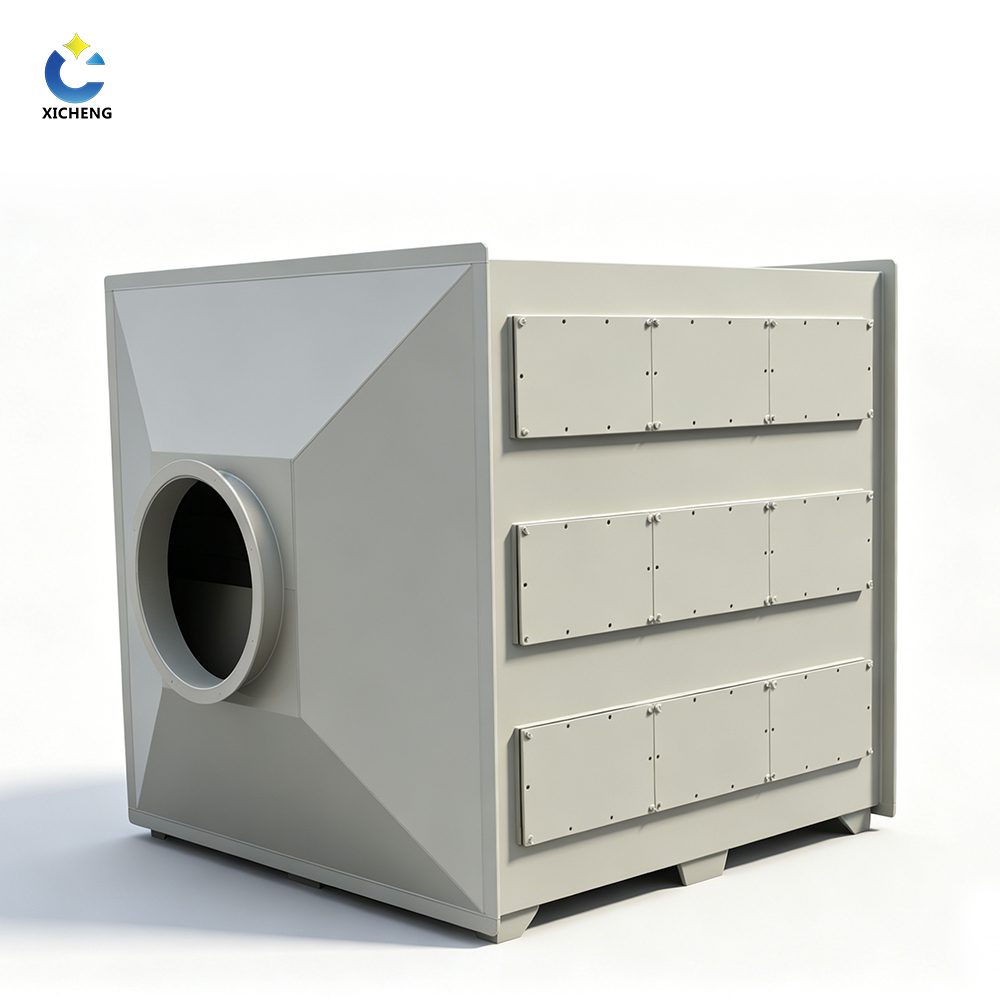
  • Stage 2 — Activated carbon polishing (optional). After scrubbing removes bulk acid gases, residual VOCs and solvent vapors pass through an activated carbon bed. The carbon’s microporous structure adsorbs organic molecules that resist aqueous absorption — toluene, xylene, acetone, dichloromethane, and other common laboratory solvents. This two-stage approach meets US EPA VOC emission standards and OSHA laboratory exposure limits.
  • Automated chemical dosing. pH and ORP probes continuously monitor the scrubbing solution. When pH deviates from the setpoint — indicating reagent depletion — the dosing pump automatically adds fresh NaOH or H2SO4 to maintain optimal absorption conditions. This eliminates manual chemical handling and ensures consistent removal efficiency regardless of pollutant load fluctuation.

Why Xicheng

16 years, 2600+ systems shipped worldwide. Laboratory exhaust treatment requires attention to detail that general industrial scrubber manufacturers often miss — fluctuating loads, diverse chemical profiles, stringent emission limits near populated areas, and the need for reliable automated operation without dedicated operator attention:

  • Lab-specific engineering. We’ve supplied exhaust purification systems for university chemistry buildings (multiple hoods manifolded to central scrubber), pharmaceutical R&D labs (solvent-heavy exhaust with carbon polishing), hospital pathology labs (formalin and xylene emissions), industrial quality control labs (acid digestion exhaust), and environmental testing facilities (mixed acid and solvent emissions). Each application has a different chemical profile and treatment requirement.
  • Vertical tower design for space efficiency. Laboratory mechanical rooms are often space-constrained. Our vertical packed tower design provides full treatment capacity in a compact footprint. The integrated water tank, packing layer, spray system, and demister are contained in a single PP-welded cylinder — no separate tanks or external piping assemblies that consume additional floor space.
  • Automated, not manual. Our standard control package includes pH/ORP monitoring with automated metering pump control, water tank level control with auto-fill, and differential pressure monitoring across the packing and demister. The system logs operating parameters and can interface with building management systems via dry contacts or Modbus — no dedicated operator required.
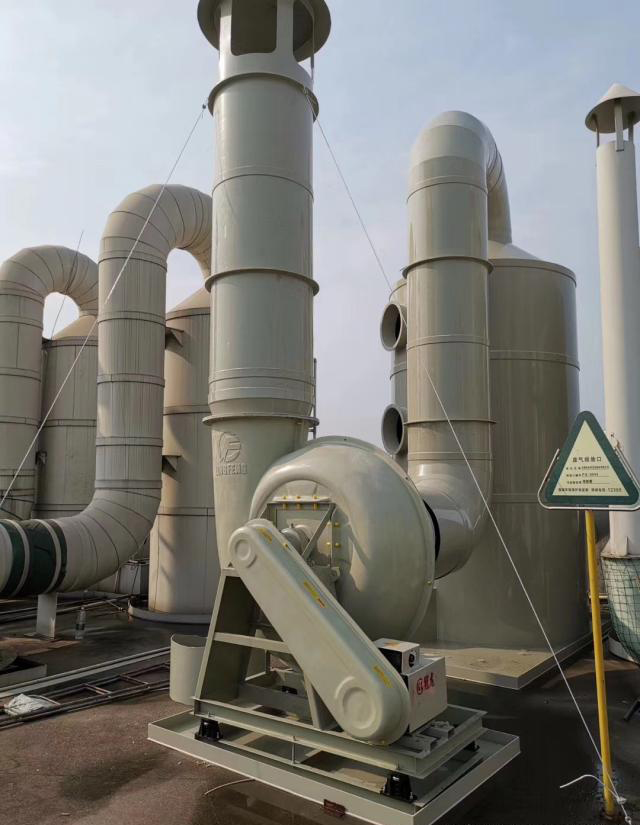
  • Complete system from hood to stack. We provide the full chain: fume hood connection → PP duct → exhaust fan → scrubber → carbon filter → stack discharge. All components are corrosion-resistant, sized as a matched system, and covered by a single warranty.

Send your laboratory’s chemical inventory and exhaust specifications to xicheng023@outlook.com. We’ll design the right treatment train and provide a complete proposal.

Core Advantages

  • High Purification Efficiency: 95%+ acid gas removal via packed bed scrubbing; 90%-95% VOC removal with carbon polishing stage.
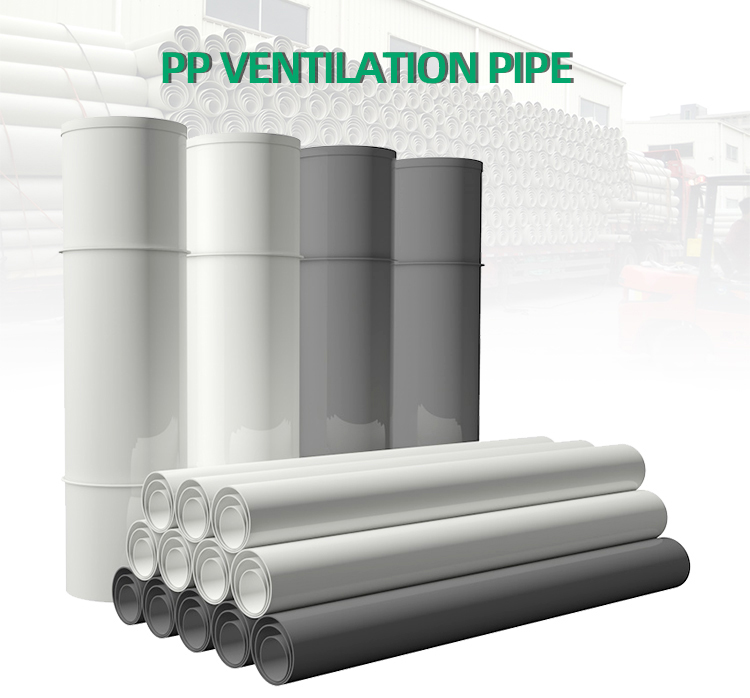
  • Durable PP Construction: Virgin PP spiral-wound cylinder — no segmented flanges, fewer leak points, superior corrosion resistance.
  • Compact Vertical Design: Integrated tank, packing, spray, and demister in a single tower — minimal mechanical room footprint.
  • Automated Operation: pH/ORP-controlled dosing, water level auto-fill, differential pressure monitoring — no dedicated operator needed.
  • Flexible Configuration: Scrubber only, carbon only, or combined scrubber + carbon. Custom sizing to your air volume and chemical profile.

Key Specifications

Model No. XC-25
Material Virgin PP (Polypropylene) spiral-wound cylinder
Function Laboratory Fume Hood Exhaust Gas Purification
Purifying Technology Packed bed chemical absorption + optional activated carbon adsorption
Packing Media PP Pall rings / hollow spheres — high specific surface area
Automation pH/ORP-controlled dosing, water level auto-fill, differential pressure monitoring
Service Life 8-10 Years (PP structure)
Color Beige / Dark Grey
Brand / Origin Xicheng / China

Certifications and Compliance


Model Selection Table

Standard laboratory exhaust purification system range.

Air Volume (m3/h) Size (mm) THK (mm) Drain Outlet Water Tank (mm) Inlet/Outlet (mm) Pump (kW) Wind Resistance (Pa)
50-4,000 800 8 DN63 700x550xH600 315 0.75 500
4,000-5,500 1,000 8 DN63 750x600xH600 400 1.5 500
5,500-8,000 1,200 8 DN63 750x600xH600 500 1.5 500
8,000-12,000 1,500 8 DN63 750x600xH600 600 2.2 500
12,000-17,000 1,800 10 DN63 850x600xH700 650 3.0 500
17,000-21,000 2,000 10 DN63 850x600xH700 700 4.0 500
21,000-25,000 2,200 10 DN63 950x600xH700 750 4.0 600
25,000-32,000 2,500 12 DN63 950x600xH700 800 5.5 600
32,000-40,000 2,800 12 DN63 1000x700xH700 900 7.5 600
40,000+ 3,000 12 DN63 1000x700xH700 1,000 7.5 600

Custom sizes: Up to 215,000 m3/h for large laboratory facilities. Contact xicheng023@outlook.com for sizing.


How to Order

  1. You send – Laboratory chemical inventory (reagents, concentrations, usage frequency), number of fume hoods, total exhaust air volume, emission permit limits
  2. We analyze – Chemical profile to determine scrubbing reagent, packing selection, and whether carbon polishing is needed
  3. We design – Tower size, packing type and depth, reagent dosing system, carbon stage sizing, P&ID with controls specification
  4. You approve – Technical proposal with mass balance, reagent consumption estimate, equipment drawings, and pricing
  5. We build – 15-25 days. PP tower fabricated and welded, internals installed, controls bench-tested before shipment
  6. We ship – Installation drawings, commissioning procedure, chemical handling guidelines, and maintenance schedule included.

Contact xicheng023@outlook.com or WhatsApp +86 18927456906 — proposal within 24 hours.


Complete Your System


Global Shipping

We ship laboratory exhaust purification systems worldwide across Southeast Asia, South Asia, Middle East, Africa, Europe, Americas, and Oceania. Standard sea freight; modular design allows compact shipping. Export documentation included.


FAQ

Do I need a scrubber, a carbon filter, or both for my laboratory exhaust?

It depends on your chemical usage. If your lab primarily uses inorganic acids (HCl, HNO3, H2SO4, HF), a packed bed scrubber with NaOH solution provides 95%+ removal. If you use organic solvents (toluene, xylene, acetone, dichloromethane), a carbon filter is needed — solvents resist aqueous absorption. If your lab uses both acids and solvents (most do), a combined scrubber + carbon system provides complete treatment. Send us your chemical inventory for a specific recommendation.

How is the system sized for multiple fume hoods?

We sum the exhaust airflow from all connected hoods — typically 500-1,500 m3/h per hood depending on sash opening and face velocity. A manifold system collects exhaust from multiple hoods into a common duct feeding a single central scrubber. Diversity factor is applied (not all hoods operate at full sash opening simultaneously), reducing the total design airflow and equipment size. For a 10-hood lab, a 5,000-10,000 m3/h system is typical.

What maintenance does the system require?

Routine maintenance: check and replenish reagent solution (automated with our dosing system), inspect spray nozzles quarterly for clogging, monitor differential pressure across packing monthly, replace packing media every 3-5 years, replace carbon media every 6-12 months (usage-dependent), and annual fan and pump PM per manufacturer schedule. The PP tower body requires minimal maintenance beyond visual inspection.


Learn More on Our Blog