
Introduction
Designing a safe, compliant laboratory ventilation system requires balancing worker protection, regulatory compliance, energy efficiency, and long-term durability. A properly designed system protects researchers from toxic fumes, prevents cross-contamination, and ensures compliance with OSHA 29 CFR 1910.1450 and EPA 40 CFR Part 60 standards. As PP material experts with 10+ years of experience in industrial air treatment, we have helped 500+ laboratories design systems that deliver superior performance while reducing long-term costs by 40%. In this comprehensive guide, we walk you through every step of the design process, from initial assessment to final commissioning.
Basic Concept: What Is a Laboratory Ventilation System And How Does It Work?
What Is a Laboratory Ventilation System?
A laboratory ventilation system is a comprehensive air handling system that removes toxic, corrosive, or flammable fumes from laboratory spaces and replaces them with clean, fresh air. Unlike general office ventilation, lab systems are engineered to contain and control hazardous emissions at their source, preventing exposure to workers and environmental contamination. The most effective systems use corrosion-resistant PP components to withstand the harsh chemical environment common in research facilities.
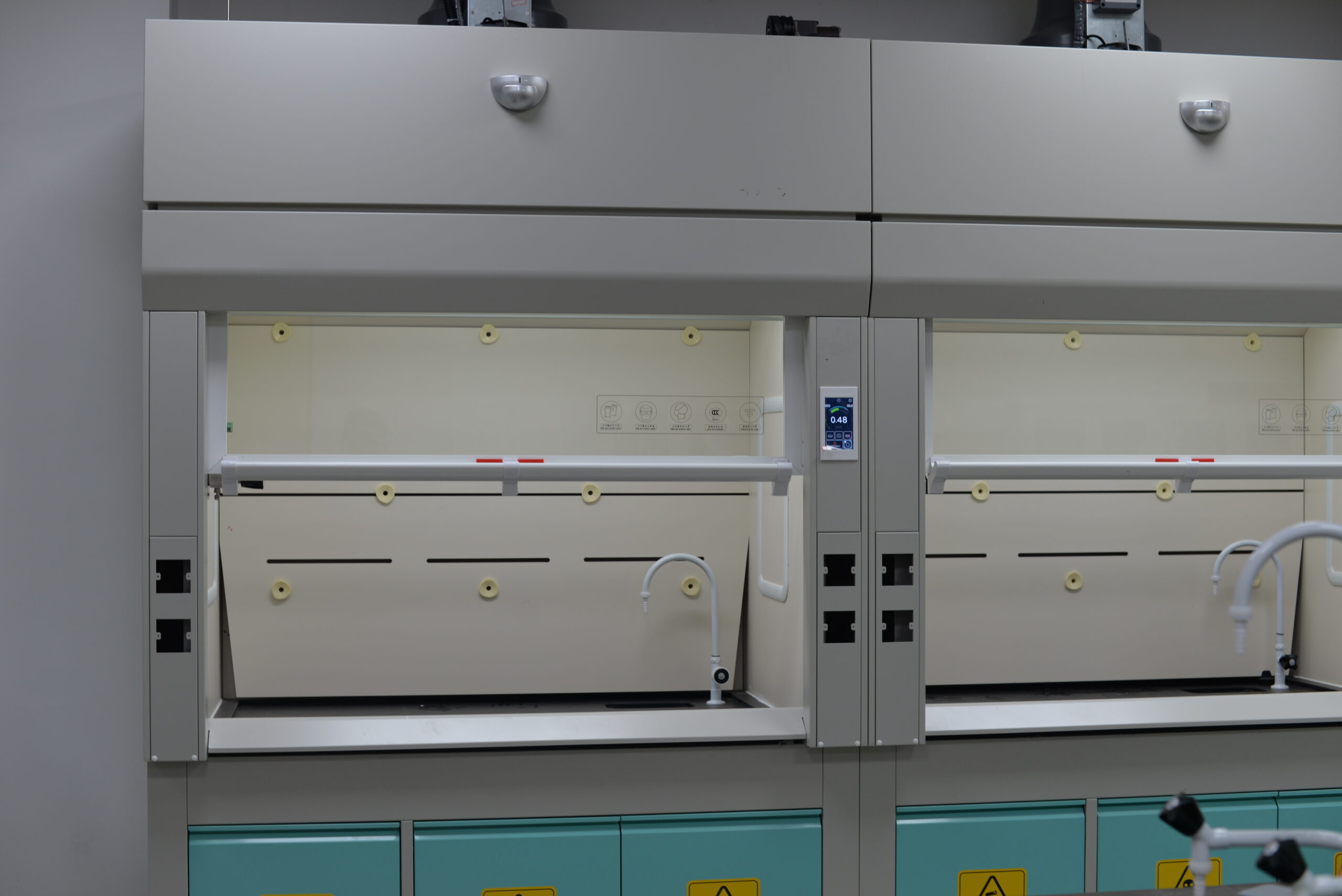
Figure 1: Complete laboratory ventilation system with PP ductwork and fume scrubber
How Does It Work?
Laboratory ventilation systems operate on the principle of negative pressure, ensuring that air always flows from clean areas into contaminated areas. Fume hoods capture emissions at the source, while exhaust fans pull contaminated air through PP ductwork to a central treatment system. The air is then treated with a chemical fume scrubber to remove pollutants before being safely released to the atmosphere. Fresh air is supplied through dedicated intake vents, maintaining proper air pressure and oxygen levels throughout the lab.
Key Regulatory & Safety Requirements
All laboratory ventilation systems must meet strict regulatory standards to ensure worker safety and environmental compliance. The most critical requirements include:
OSHA Worker Protection Standards
OSHA mandates that fume hoods maintain a face velocity of 80-120 feet per minute (fpm) to contain fumes effectively. The standard also requires regular performance testing, worker training, and proper labeling of hazardous materials. Failure to comply can result in fines of up to $15,625 per violation.
EPA Emissions Control Requirements
EPA 40 CFR Part 60 requires that all laboratory exhaust containing hazardous air pollutants (HAPs) be treated before release. This includes acids, solvents, heavy metals, and volatile organic compounds (VOCs). Our PP fume scrubbers are engineered to remove 99.5%+ of these pollutants, ensuring full compliance.
NFPA Fire Safety Standards
NFPA 45 requires that laboratory ventilation systems be designed to prevent the spread of fire and smoke. This includes using non-combustible materials, installing fire dampers, and ensuring proper exhaust of flammable vapors.
Critical Components of a Modern Laboratory Ventilation System
A well-designed system consists of four core components, each playing a vital role in safety and performance:
1. Fume Hoods
Fume hoods are the primary containment devices in any laboratory. They are available in several types, including ducted hoods, ductless hoods, and biosafety cabinets. For chemical laboratories, ducted fume hoods made with PP liners offer the best corrosion resistance and safety.
2. Ductwork System
The ductwork transports contaminated air from fume hoods to the exhaust treatment system. PP ductwork is the ideal choice for laboratories, offering 300% better corrosion resistance than stainless steel and preventing leaks that could expose workers to toxic fumes.
3. Exhaust Fans
Exhaust fans create the negative pressure needed to pull air through the system. They must be sized correctly to maintain proper airflow rates and face velocities in all fume hoods, even when multiple hoods are operating simultaneously.
4. Exhaust Treatment System
The exhaust treatment system removes pollutants from the air before release. For most chemical laboratories, a packed bed fume scrubber is the most effective solution, capable of removing both acidic and alkaline fumes. For VOC removal, a PP activated carbon filter can be added to the system.
Step-by-Step Design Process
Follow these seven steps to design a laboratory ventilation system that meets all safety and compliance requirements:
1. Conduct a Comprehensive Hazard Assessment
Start by identifying all hazardous materials used in the laboratory, including their chemical properties, toxicity, and usage rates. This will determine the required airflow rates, fume hood types, and exhaust treatment technology.
2. Calculate Required Airflow Rates
Calculate the total exhaust airflow needed based on the number and type of fume hoods, as well as the required air changes per hour (ACH). General laboratories need 6-12 ACH, while chemical laboratories require 12-18 ACH.
3. Select Appropriate Materials
Choose materials that can withstand the corrosive chemicals used in the lab. PP is the superior choice for ductwork, fume hood liners, and scrubber components, offering twice the lifespan of stainless steel and 40% lower maintenance costs.
4. Design the Ductwork Layout
Design a ductwork layout that minimizes pressure drops and ensures balanced airflow to all fume hoods. Use smooth bends and avoid sharp turns to reduce energy consumption and noise levels.
5. Size the Exhaust Fans and Treatment System
Size the exhaust fans to overcome the total system pressure drop and maintain the required airflow rates. Size the fume scrubber based on the maximum exhaust flow rate and the concentration of pollutants in the air.
6. Incorporate Energy Efficiency Features
Reduce energy costs by incorporating variable frequency drives (VFDs) on exhaust fans, heat recovery systems, and demand-controlled ventilation that adjusts airflow based on fume hood usage.
7. Plan for Testing and Commissioning
Schedule performance testing and commissioning after installation to verify that the system meets all design specifications and regulatory requirements. This includes face velocity testing, airflow balancing, and emissions testing.
Material Comparison: PP vs Stainless Steel vs FRP
The material you choose for your laboratory ventilation system will have a significant impact on its performance, lifespan, and total cost of ownership. Below is a detailed comparison of the three most common materials:
| Performance Feature | PP (Polypropylene) | Stainless Steel (316L) | FRP (Fiberglass) |
|---|---|---|---|
| Corrosion Resistance (Acids) | Excellent (300% better than SS) | Good (limited to mild acids) | Very Good |
| Corrosion Resistance (Bases) | Excellent | Poor | Poor |
| Average Lifespan | 15-20 years | 7-10 years | 10-13 years |
| Annual Maintenance Cost | Low (40% less than SS) | High | Medium |
| Fire Resistance | Good (self-extinguishing) | Excellent | Poor |
| Upfront Cost | Low | High (20-30% more) | Medium |
As a leading manufacturer of industrial air treatment equipment, we exclusively use 100% virgin polypropylene in all our laboratory ventilation components, ensuring maximum durability and corrosion resistance for our clients.
Cost Analysis & ROI
Investing in a high-quality PP laboratory ventilation system delivers significant long-term cost savings. According to Pollution Engineering’s 2026 Industry Report, material-related costs account for 65% of a system’s lifetime expenses.
Figure 2: 20-year total cost of ownership comparison
- PP System: $35,000 upfront + $1,500/year maintenance = $65,000 total 20-year cost
- Stainless Steel System: $45,500 upfront + $2,500/year maintenance + $45,500 replacement = $141,000 total 20-year cost
- FRP System: $40,250 upfront + $1,875/year maintenance + $40,250 replacement = $118,000 total 20-year cost
The average return on investment (ROI) for a PP laboratory ventilation system is just 18 months, with many facilities seeing positive returns within 12 months due to reduced maintenance costs and avoided regulatory fines. Contact us today to get a customized cost analysis for your laboratory.
Frequently Asked Questions
What are the OSHA requirements for laboratory ventilation?
OSHA 29 CFR 1910.1450 requires laboratories to maintain fume hood face velocities of 80-120 fpm, provide 6-12 air changes per hour, and ensure exhaust air is properly treated before release. Regular performance testing and worker training are also mandatory.
What is the best material for laboratory ductwork?
Polypropylene (PP) is the best material for laboratory ductwork, offering 300% better corrosion resistance than stainless steel, 2x longer lifespan, and 40% lower maintenance costs. It is resistant to most acids, bases, and solvents commonly used in laboratories.
How many air changes per hour are needed in a lab?
General laboratories require 6-12 air changes per hour, while chemical laboratories need 12-18 ACH, and high-hazard laboratories require 18-24 ACH to ensure safe air quality and prevent the buildup of toxic fumes.
Do laboratory fumes need to be scrubbed?
Yes, most laboratory fumes containing acids, solvents, or toxic chemicals must be treated with a fume scrubber before release to comply with EPA 40 CFR Part 60 emissions standards. Untreated exhaust can result in significant fines and environmental damage.
How much does a laboratory ventilation system cost?
A complete laboratory ventilation system costs $15,000-$75,000 depending on size and complexity. PP-based systems cost 20-30% less over their lifetime due to lower maintenance and longer service life. For more information on EPA regulations, visit the EPA Air Emissions Modeling website.
Conclusion
Designing a laboratory ventilation system is a critical investment in worker safety, regulatory compliance, and long-term operational efficiency. By following the steps outlined in this guide and choosing corrosion-resistant PP components, you can create a system that delivers superior performance, lasts twice as long as traditional metal systems, and reduces maintenance costs by 40%.
As a leading manufacturer of industrial air treatment equipment with over 10 years of experience, we have helped more than 500 laboratories across North America design and install custom ventilation systems that meet all safety and compliance requirements. Our team of experienced engineers will work with you to design a system tailored to your specific laboratory needs and budget.
Get Your Free Laboratory Ventilation Design Assessment today by filling out our online form or calling us directly. We’ll conduct a comprehensive site audit and provide you with a detailed design proposal and no-obligation quote.
Written by our senior engineer with 10+ years experience in industrial gas treatment, we have helped 500+ factories solve their pollution problem and EPA compliance issues.


Related Posts
Activated Carbon Adsorption Box: The Complete Buyer’s & Selection Guide
Your facility just received a notice from the environmental bureau:…
Chemical Plant Carbon Filter: Activated Carbon Adsorption for Petrochemical and Chemical Manufacturing Exhaust
Chemical plants and petrochemical facilities present the most demanding application…
Industrial Wet Scrubber for VOC Control: What Your Selection Should Actually Be Based On
Every plant manager who has searched for an industrial wet…