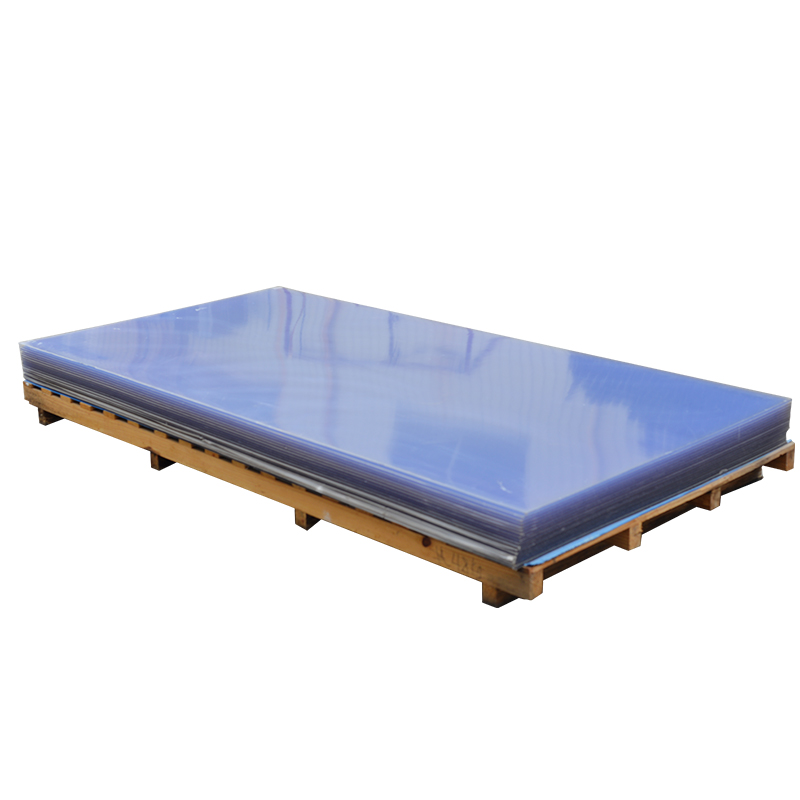
Description
Technical Specifications
| Material | Rigid PVC-U (Unplasticized), Clear Formulation |
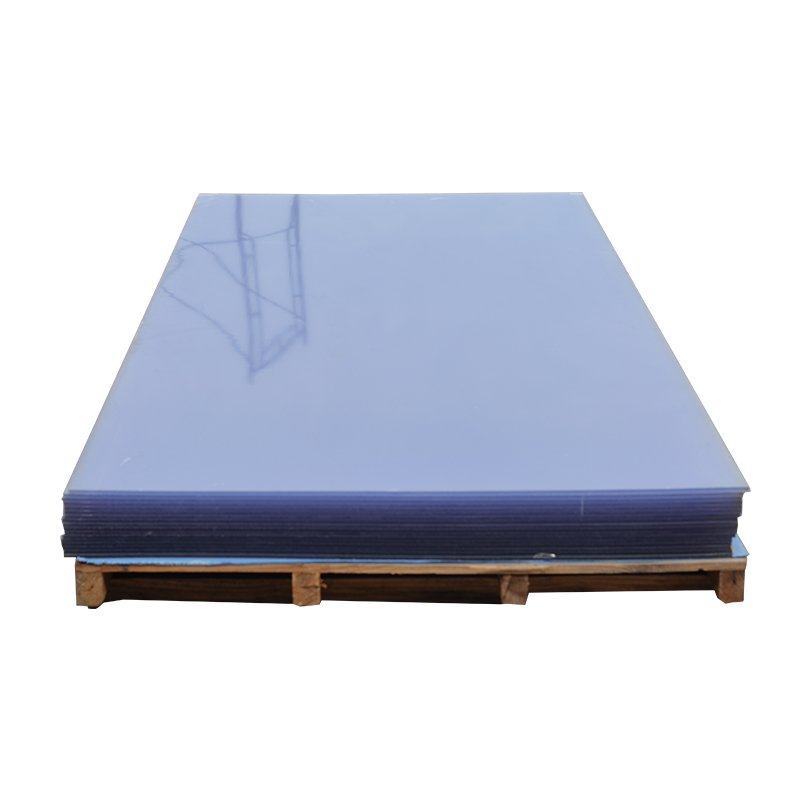
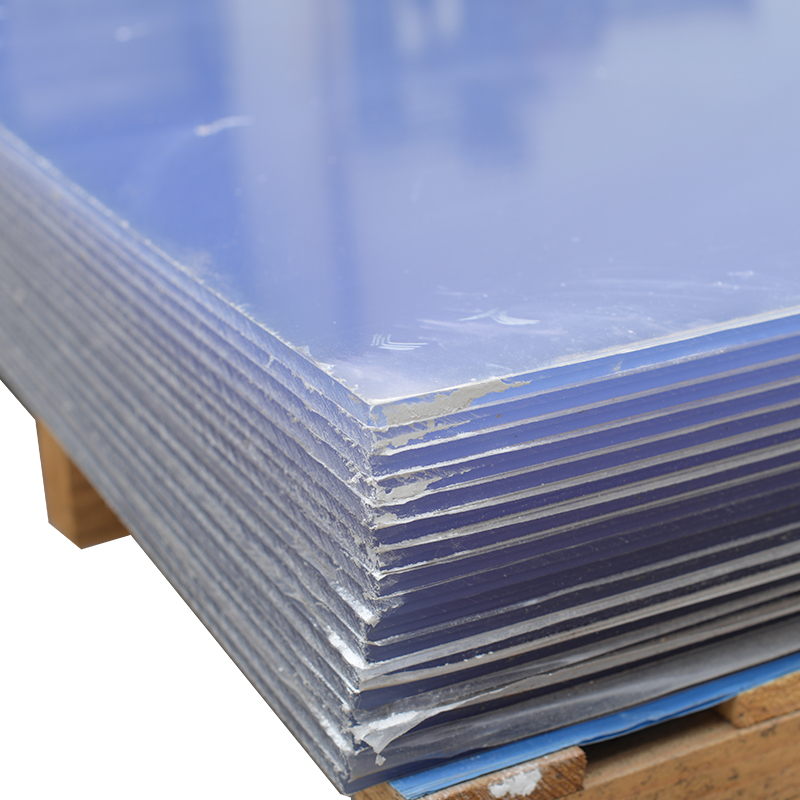
| Thickness | 2-10mm standard. Custom thicknesses available. |
| Sheet Sizes | 1220×2440mm / 1500×3000mm |
| Density | 1.38-1.45 g/cm³ (ISO 1183) |
| Tensile Strength | 45-55 MPa (ISO 527) |
| Flexural Strength | 70-80 MPa (ISO 178) |
| Light Transmission | ~85-90% (visible spectrum, 3mm thickness) |
| Working Temperature | -10°C to 60°C |
| Flammability | V0 (UL 94) — inherent, chlorine-based |
Manufacturing & Quality Control
Transparent PVC sheet requires higher-grade PVC-U compound and more precise extrusion control than opaque PVC. Any thermal degradation during extrusion produces yellowing that is immediately visible in the finished sheet. Quality control per ISO 9001:2015: incoming compound thermal stability testing (ISO 182), precise melt temperature control at extruder die to prevent degradation, continuous optical clarity inspection during extrusion, final visual inspection for color consistency, bubbles, and surface defects. Optical transmission verified per batch with spectrophotometer.
Why Transparent PVC for Chemical Process Visibility?
In chemical processing equipment, the inability to see inside a sealed tank, duct, or enclosure creates two problems: operators cannot visually verify process conditions (liquid level, color, flow, fouling) without opening the vessel, and routine inspections require system shutdown and disassembly. Transparent PVC sheet provides a practical solution for non-critical visibility applications where full chemical resistance is not required but clear sight is essential.
Transparent PVC is approximately 50% denser than PP (1.38-1.45 vs 0.91-0.93 g/cm³) and significantly more rigid at room temperature. It combines optical clarity (~85-90% light transmission at 3mm) with inherent V0 flame rating and good general chemical resistance for mild environments. The material machines, drills, and can be mechanically fastened or bonded with PVC-compatible adhesives.
Important limitations: Transparent PVC shares the same chemical and thermal limitations as opaque PVC: maximum service temperature 60°C, limited resistance to oxidizing acids and organic solvents, and the inherent fire smoke toxicity concern associated with all chlorine-containing materials (HCl gas when burned). For broad-spectrum chemical resistance or temperatures above 60°C, PP sheet is required but is opaque in all grades. For both chemical resistance and visibility, PVDF (polyvinylidene fluoride) offers transparent grades with superior chemical resistance and 140°C service temperature — at significantly higher material cost.
Key Advantages
- Optical clarity for process visibility: ~85-90% light transmission. Operators can verify liquid levels, observe flow, and inspect internal conditions without opening sealed equipment.
- Inherent V0 flame rating: No FR additives required. Self-extinguishing behavior from PVC’s natural chlorine content.
- High room-temperature rigidity: 70-80 MPa flexural strength — stiffer than PP. Suitable for self-supporting panels and covers.
- Good general chemical resistance: Adequate for mild chemical environments at ambient temperature. Resists water, salt solutions, dilute acids and alkalis, and many common industrial chemicals.
Typical Applications
- Sight glasses and level indicators: Transparent panels mounted on chemical tanks and vessels for visual level monitoring without electronic instrumentation.
- Protective equipment covers: Clear machine guards, enclosure windows, and inspection ports that provide both physical protection and visual access.
- Fume hood sash panels: Transparent PVC panels for laboratory fume hood sashes in mild-chemical environments.
- Process observation windows: Clear panels in ductwork, enclosures, and process equipment for routine visual inspection without shutdown.
Ordering, Warranty & Delivery
- MOQ: 1 m² standard | Lead Time: 15-25 working days | Payment: T/T (30% deposit, 70% before shipment). L/C accepted.
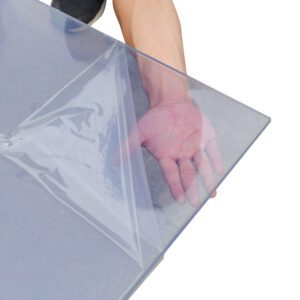
- Shipping: FOB Shenzhen. Protective film applied to both surfaces to prevent scratching during transit.
- Warranty: 1 year manufacturing defects. Note: surface scratching from handling and service is not covered.
Company: XICHENG EP (CN) LTD | Shenzhen, Guangdong, China | ISO 9001:2015, CE, RoHS
FAQ
Will transparent PVC yellow over time?
Standard transparent PVC will gradually yellow with prolonged UV exposure (direct sunlight or strong UV lighting). For indoor applications without direct UV, color stability is good over the material’s service life. For outdoor applications, UV-stabilized grades are available.
Can transparent PVC be used with strong acids?
No. PVC has limited resistance to oxidizing acids (HNO3, concentrated H2SO4) and is not suitable for HF service. For visibility in aggressive chemical environments, PVDF or PTFE sight glass materials are required.
Related Products
- PVC Rigid Sheet — grey/white 2-30mm
- PP Polypropylene Sheet — broad chemical resistance to 90C
- White PP Sheet — lab & food-grade
- PP Ducting — ventilation systems
Request PVC Transparent Sheet Quotation — Response Within 24 Hours
Product Images