
2 August, 2024
0 Comments
1 category
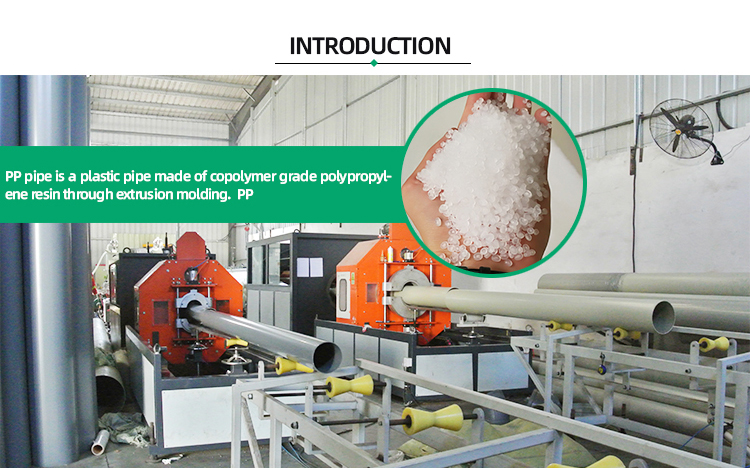
PP polypropylene pipes are a type of plastic pipe made from polypropylene, a thermoplastic polymer. These pipes are commonly used in various applications due to their excellent chemical resistance, high impact strength, and relatively low cost.
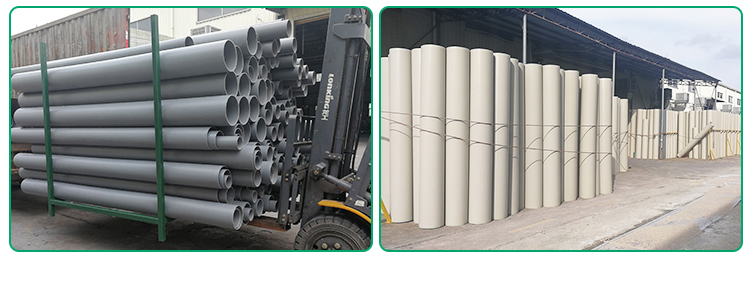
PP polypropylene pipe specifications
- Injection molding:
- For drainage: φ20mm, φ25mm, φ32mm, φ40mm, φ50mm, φ63mm, φ75mm, φ90mm;
- For ventilation: φ110mm, φ160mm, φ200mm, φ250mm, φ315mm, φ400mm, φ450mm, φ500mm.
- Processing: all sizes larger than φ250mm can be customized, for ventilation.
PP polypropylene pipe features
- Chemical Resistance
- Highly resistant to a broad spectrum of chemicals, including acids, bases, and solvents.
- Ideal for use in chemical processing industries and laboratories.
- Thermal Resistance
- Can handle a range of temperatures, typically up to 80°C (176°F) for standard PP pipes.
- Some grades of PP can withstand higher temperatures for short periods.
- High Impact Strength
- Excellent impact resistance, even at low temperatures.
- Durable and able to withstand physical stress and rough handling.
- Lightweight
- Significantly lighter than metal pipes, making them easier to transport and install.
- Reduces overall system weight and support requirements.
- Corrosion Resistance
- Does not corrode, unlike metal pipes, ensuring a longer lifespan and consistent performance.
- Resistant to scaling and build-up of deposits.
- Smooth Internal Surface
- Smooth interior reduces friction, enhancing fluid flow efficiency.
- Minimizes pressure drops and energy consumption in fluid transport systems.
- Non-Toxic and Safe
- Ease of Installation
- Can be easily joined using heat fusion welding, creating strong and leak-proof connections.
- Mechanical joints, compression fittings, and flanges can also be used.
- Flexible and can be configured into complex layouts with bends and joints.
- Low Maintenance
- Requires minimal maintenance due to its resistance to corrosion and scaling.
- Durable and reliable, reducing the need for frequent repairs or replacements.
- Environmental Impact
- Recyclable, contributing to sustainable construction and environmental conservation.
- The production process generally has a lower environmental impact compared to metal pipes.
PP polypropylene pipe applications
- Plumbing: Commonly used in residential, commercial, and industrial buildings for transporting hot and cold water.
- Industrial Piping—Chemical Transport: Suitable for transporting a wide range of chemicals in industrial plants due to their excellent chemical resistance.
- HVAC Systems—Ventilation and Air Conditioning: PP polypropylene pipes are used in ductwork for ventilation and air conditioning systems.
- Irrigation and Agriculture:
- Irrigation Systems: Widely used in agricultural irrigation systems due to their durability and resistance to UV radiation.
- Greenhouse Applications: Suitable for use in greenhouse environments for watering and nutrient delivery systems.
- Drainage and Sewage Systems:
- Wastewater Systems: Used in residential, commercial, and industrial wastewater systems due to their resistance to corrosion and chemical attack.
- Sewage Systems: Effective for transporting sewage and other waste materials.
- Ventilation:
- Fume Extraction: Used in laboratories and industrial settings for fume extraction and ventilation systems handling corrosive gases.
- Exhaust Systems: Suitable for use in exhaust systems where resistance to chemical and high temperatures is required.
- Mining and Quarrying—Slurry Transport: Used for transporting abrasive slurries in mining and quarrying operations due to their resistance to abrasion and chemical attack.
- Marine Applications—Saltwater Transport: Suitable for use in marine environments for transporting saltwater and other corrosive fluids.
PP polypropylene pipes offer a robust, cost-effective, and versatile solution for a wide range of ventilation applications, from residential to industrial settings.
Please follow and like us:


Category: Uncategorized